Pro Tips: Lawn Aeration and Overseeding

Lawn Aeration and Overseeding Services

Lawn aeration and overseeding are two of the most powerful services you can offer as a lawn-care or landscaping professional. They help repair thin, tired lawns, improve root health, and protect turf from heat, drought, and heavy use. When you do them the right way and at the right time, they raise lawn quality and make your service plans stronger and more profitable.
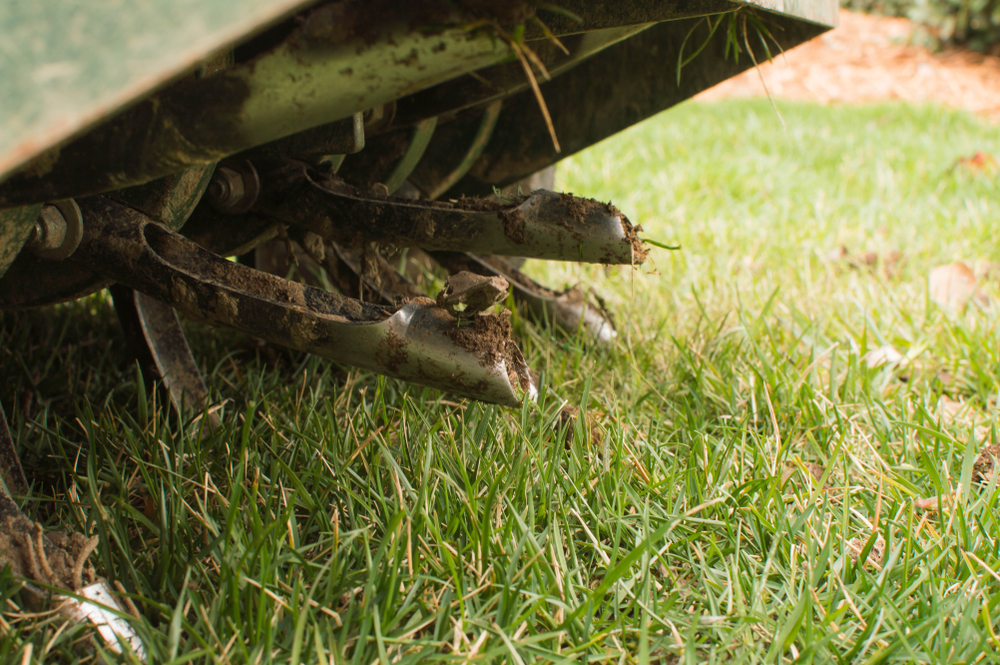

Table of Contents

  1. What is aeration and overseeding?
  2. Is aeration and overseeding worth it?
  3. Best way to aerate and overseed
  4. Best grass seed after aeration
  5. Aeration and overseeding cost
  6. When is it too late to aerate and overseed?
  7. Conclusion

What is aeration and overseeding?

what is aeration

Aeration in simple terms

In lawn care, core aeration is the process of using a machine with hollow tines to pull out small plugs of soil and thatch from the lawn. Each plug is usually 2–3 inches deep. After aeration, the lawn has many small holes across the surface.

Aeration:

  • Breaks up compacted soil
  • Opens the thatch layer
  • Let’s air, water, and nutrients move down into the root zone

Cool-season lawns take a lot of stress in summer. When temperatures go over 90°F, cool-season grasses struggle. Add in foot traffic, mowing, equipment, low rainfall, poor watering habits, insects, disease, and heavy use, and lawns start to thin out. That is why golf course greenskeepers aerate every year. They know aeration is not optional if they want healthy turf.

Overseeding in simple terms

Overseeding means spreading new grass seed into an existing lawn without tearing everything out. After aeration, overseeding works even better because the seed can fall into the open holes and cracks rather than sit on top of the thatch.

Overseeding helps you:

  • Fill in thin and bare areas
  • Make the lawn thicker
  • Add newer, improved grass varieties with better color, heat tolerance, and disease resistance

The key idea is simple: aeration opens the soil, overseeding fills it with new grass. Together, lawn aeration and overseeding give you a strong, predictable way to repair and upgrade lawns.


Is aeration and overseeding worth it?

Why lawns decline

Many clients ask, “Is core aeration really necessary?” The answer is yes, if they want a healthy lawn long-term.

Two big problems build up over time:

  1. Thatch
    • Thatch is a layer made mostly of dead roots and stems.
    • A light thatch layer is normal, but a thick layer becomes a barrier.
    • It blocks water, air, and nutrients from reaching the soil.
    • It also harbors insects and disease.
  2. Compaction & Poor Soil 
    • Foot traffic, mowers, and other machines compact the soil. Poor soil conditions are common in most areas and make things even worse.
    • Compacted soil has few open spaces for air and water.
    • Roots cannot spread and grow deep.
    • The lawn dries out faster and gets weak.

When lawns face heat, drought, insects, and disease on top of thatch and compaction, they thin out and lose color.

How aeration and overseeding service helps

How aeration helps

Core aeration:

  • Opens the thatch layer so water and air can pass through
  • Relieves compaction so roots can grow deeper
  • Creates plugs and holes that open up the soil, allowing water, air, and nutrients to the root zone
  • Improves soil structure and drainage over time

Overseeding after aeration:

  • Drops seed into the holes and loosens the soil, giving better seed-to-soil contact
  • Builds a thicker lawn that naturally fights weeds
  • Adds new grass varieties that handle hot, dry weather better

For lawn-care and landscape companies, this means:

  • Healthier lawns with stronger roots
  • Fewer weed and disease problems over time
  • Happier clients who see real change, not quick cover-ups

Yes, lawn aeration and overseeding are absolutely worth it when they are done correctly and on a regular schedule.


Best way to aerate and overseed 

To get consistent results, your crews need a clear, simple process they can follow on every job.

Step 1: Check and prepare the site

Before starting:

  • Walk the property. Look for thin areas, high-traffic spots, shaded zones, and drainage issues.
  • Flag sprinkler heads, valve boxes, shallow utilities, pet fences, and landscape lighting.
  • Explain to the client what you will do and what they must do (especially watering).

Prepare the lawn by:

  • Mowing shorter than normal, usually down to about 2.0–2.5 inches for cool-season lawns.
  • Removing sticks, heavy leaves, and other debris.
  • Watering the day before if the soil is very hard and dry, so that the aerator can pull good cores.

Step 2: Do core aeration the right way

Use a professional-grade core aerator and:

  • Make two passes in different directions (for example, north–south, then east–west).
  • Aim for a core depth of 2–3 inches when conditions allow.
  • Keep a steady pace so the holes are evenly spaced.
  • Do not spin or turn sharply, which can tear turf and compact soil.

Leave the soil plugs on the surface. Rainfall, irrigation, and mowing will break them down and return organic matter to the soil surface.

Step 3: Overseed right after aeration

Overseeding works best immediately after aeration, while the lawn is open and the soil is fresh. The aeration holes act like small planting pockets. The seed falls in, touches the soil, and has some protection from drying out. This is why aeration plus overseeding always outperforms overseeding alone.

For best results:

  • Use calibrated spreaders and follow the correct pounds per 1,000 sq. ft. for your seed blend.
  • Spread half the seed in one direction and the other half in a crossing pattern.
  • Put a little extra seed in thin, high-traffic, or shady areas.
  • If you’re using a hydraulic aerator with a combo seed box, great, but it is still best to walk the property after the job is complete and toss additional seed in any problem areas. Problem areas are defined as hard-to-reach, thin, or shady sections that require additional seed or shade seed, blended into those areas.

Step 4: Watering and traffic control

Watering after seeding is so important. Explain clearly to the client:

  • Keep the soil moist while the seed is germinating.
  • Water lightly once or twice per day, depending on the weather and soil type.
  • Once new grass is up and growing, switch to deep, less frequent watering to build strong roots.

For mowing and traffic:

Skip one or two mowings and be careful when mowing until the seed is fully mature. Also, limit foot traffic until the lawn has been established. 


Best grass seed after aeration

best grass seed after aeration

Your seed choice has a big impact on results. Using high-quality seed sets sets professionals apart from low-cost operators.

For cool-season lawns, common choices are:

  • Turf-type tall fescue – Strong roots, good heat and drought tolerance, and good wear resistance.
  • Kentucky bluegrass – Fine texture, good color, and the ability to spread and fill in thin spots.
  • Perennial ryegrass – Very fast to germinate and useful for quick cover and blends.

Using a mixed blend of several seed varieties is best. Newer varieties will have better color, better disease resistance, and better performance in hot, dry weather. They also improve the lawn’s overall thickness and durability.

Over time, regular aeration with overseeding using these improved varieties leads to:

  • Thicker turf
  • Fewer weeds
  • Less need for frequent pesticide use

This is one of the best “green” methods to build healthier lawns and happier clients.


Aeration and overseeding cost

As a professional, you must price lawn aeration and overseeding so they cover your costs and reflect the value you deliver.

Most companies use:

  • A base price for lawns up to a certain size
  • An added rate per 1,000 sq. ft. above that
  • Separate pricing for aeration alone vs. aeration plus overseeding packages
  • Optional add-ons such as starter fertilizer, lime, compost topdressing, or soil testing

Your main cost factors are:

  • Labor time for the crew
  • Fuel and maintenance on aerators and trucks
  • Seed cost and application rate
  • Office, scheduling, and support time

To protect profit:

  • Know your production rate (approximately how many square feet per hour per crew).
  • Standardize seed blends and rates so estimates are consistent.
  • Explain the difference between premium, newer seed, and cheap seed mixes so clients understand why your service costs what it does.

How often to aerate and overseed depends on the lawn:

  • Every year for high-traffic, stressed, or high-expectation lawns.
  • Every other year for healthier, lower-stress lawns.
  • At least once every few years, for any maintained lawn, so compaction and thatch do not slowly ruin it.

When you clearly show the long-term benefits, clients see aeration and overseeding as a smart investment in lawn health, and will sign up. Many lawn and landscape companies include this in their annual proposals, and customers can opt out if they’re not interested.


When is it too late to aerate and overseed?

For cool-season grasses, early fall is the best time for lawn aeration and overseeding.

Early fall is ideal because:

  • You do not need important spring weed control products at that time, so they will not interfere with the new seed.
  • Soil remains warm while the air is cooler, which is ideal for root growth and seedling establishment.
  • Warm days and cool nights make daily watering easier and more effective.

It is too late to aerate and overseed when:

  • Temperatures are too cold for the seed to germinate well.
  • Hard frosts are frequent.
  • There is insufficient time for new grass to establish roots before winter.

In that case, it is better to wait for the next proper window than to rush the job and get poor results.


Conclusion

aeration and seeding benefits


For lawn-care companies and landscaping professionals, lawn aeration and overseeding should be a core part of your service plans. They:

  • Relieve compaction and open the thatch layer
  • Help water, air, and nutrients reach the root zone
  • Add new, improved grass varieties
  • Build thicker, stronger, more resilient lawns
  • Cut down on weeds, insects, disease, and chemical use over time

When you use clear steps, simple instructions, and the right timing, aeration and overseeding will give you better lawns, stronger customer trust, and a reliable source of repeat business year after year.


🔍 Find Landscaping Supplies, Dealers & Materials

Search, explore, and find Power Equipment Dealers, Irrigation & Lighting Supplies, Fertilizer, Chemical & Organic Products, and Grass Seed Supplies at 👉 TheLandscapeConnection.com

We’d love to hear from you! Have a question? Get an answer from an industry pro.

Share your tips, tricks, or ask questions in the comments below!


B.Monty
Author: B.Monty

Bryan is a lawn and landscape industry veteran pro with 40+ years of experience. During this time, he built expertise and certifications in arbor care, deer repellents, drainage systems, fencing, firewood, hardscaping, landscape design, construction, installation, landscape lighting, lawn care, lawn installation, renovations, repairs, lawn mowing, landscape maintenance, irrigation, masonry, mosquito, tick control, PHC, snow removal, and more... He is the creator of The Landscape Connection and can be reached at bryan@thelandscapeconnection.com.

FAQ

For cool-season lawns, early fall is best because the soil is warm, the air is cooler, and new grass establishes faster with less stress.

Yes—when done correctly, it relieves compaction, helps break through thatch, improves root growth, and builds a thicker lawn that fights weeds and stress.

Keep the soil consistently moist with light watering once or twice daily during germination. Limit traffic, and delay mowing until the new grass has established enough to cut.

Add a Comment

Your Email Address Will Not Be Published.

Leave a Comment

This site uses Akismet to reduce spam. Learn how your comment data is processed.

Scroll to Top
image (1)
Privacy Overview

This website uses cookies so that we can provide you with the best user experience possible. Cookie information is stored in your browser and performs functions such as recognising you when you return to our website and helping our team to understand which sections of the website you find most interesting and useful.