 B.Monty
 1 Comment
 05 Nov 2025
Boost Lawn Health and Profits with Limestone Applications
Why Lime Is One of the Most Overlooked but Most Profitable Lawn Care Services
Lime is one of the most powerful—yet often overlooked—tools in professional lawn care. Just as important as fertilizing, mowing, and aeration, lime applications play a critical role in improving soil health, boosting turf density, and maximizing fertilizer performance. For lawn-care and landscape companies, soil testing and lime treatments offer fast, easy, and highly profitable end-of-season services that will improve turf quality, increase customer satisfaction, and grow revenue.
What Is Lime and Why Does It Matter in Lawn Care?
Lime (calcium carbonate or dolomitic limestone) is used to raise the soil pH when it becomes too acidic. Over time, rainfall, poor soil structure, and organic decomposition naturally lower soil pH, making it harder for turfgrass to absorb nutrients. Applying lime and maintaining the correct soil pH restores nutrient availability, improves soil structure, and strengthens overall lawn performance.
Benefits of Soil Testing and Lime Treatments

Adding soil testing and lime applications to your lawn-care program benefits both your customers and your business. Here’s why every professional landscaper should prioritize this service:
1. Improve Nutrient Availability
Acidic soil “locks up” essential nutrients, preventing turf from absorbing nitrogen, phosphorus, potassium, iron, and other micronutrients. Getting lime down restores proper pH levels, ensuring fertilizers work at their full potential—leading to greener, thicker turf.
2. Strengthen Root Development
A balanced pH promotes stronger, deeper root systems. Deep roots improve moisture retention, drought tolerance, color retention, and stress resistance during summer heat and heavy foot traffic.
3. Reduce Weeds, Disease, and Moss
Many problem weeds—such as sorrel, plantain, and moss—thrive in low-pH, acidic environments. So correcting pH helps turf out-compete these invaders naturally, reducing the need for expensive herbicide treatments.
4. Increase Fertilizer Efficiency
Fertilizers simply work better in soils with a balanced pH. This means fewer callbacks, happier customers, and lawns that consistently look healthy and well-maintained.
5. Deliver Fast, Visible Improvements
Customers will notice the difference. Correcting soil pH will help transform patchy, pale, or slow-growing lawns into vibrant, dense turf in just one season.
6. Boost Revenue With Minimal Labor
Soil testing and lime treatments require very little time, low material costs, and minimal equipment—making this one of the most profitable lawn-care add-ons a company can offer.
Pro Tips for Lawn Care and Landscape Companies
✔ Add Soil Testing to Annual Fertilization Programs
Recommend and include a spring soil test for all customers to establish pH levels. This should be done immediately for new customers and every 1 to 3 years thereafter. Then, based on results, set up and schedule lime applications for late fall or early winter. Lime breaks down and works over the winter, benefiting the following season. If the soil is extremely acidic, make a split application, 1st in the spring and another late fall.
✔ Use pH Meters When Full Lab Tests Aren’t Available
Portable pH meters provide a quick, general reading that is accurate enough to determine whether lime is needed. Take readings in two to three locations for the best results.
✔ Provide Honest Recommendations
If the soil pH is within the ideal range (typically 6.0–7.0 for most turf), notify the customer that no lime application is needed and charge only a small testing fee. This honesty builds long-term customer trust and loyalty.
✔ Offer Annual Lime Maintenance for Acidic Properties
Some lawns consistently test acidic year after year. For these properties, add a yearly maintenance lime application to your standard lawn-care program to maintain proper pH balance.
How Much Lime Is Needed to Raise Soil pH?
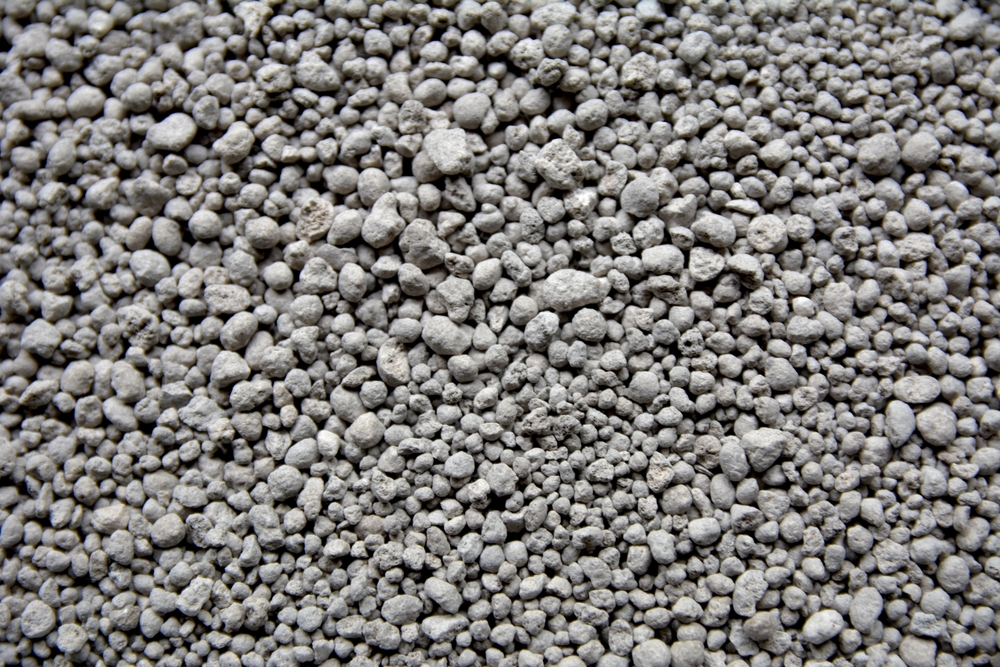
The amount of lime required depends on three main factors:
- Current soil pH
- Target soil pH
- Soil type (sand, loam, or clay)
Because soil texture affects how strongly acidity is held in the soil, sandy soils need far less lime than clay or loam soils to achieve the same pH change.
Below is a general guideline used by lawn-care professionals:
Typical Lime Application Rates to Raise pH by 1.0 Point
| Soil Type | Pounds of Lime per 1,000 sq. ft. | Effect |
|---|---|---|
| Sandy Soil | 20–25 lbs | Raises pH approx. 1.0 point |
| Loam Soil | 40–50 lbs | Raises pH approx. 1.0 point |
| Clay Soil | 70–75+ lbs | Raises pH approx. 1.0 point |
Example:
If a lawn’s pH is 5.5 and the target is 6.5, a clay soil may require 70–80 lbs of lime per 1,000 sq. ft., while a sandy soil may only need 20–25 lbs.
How Lime Recommendations Are Usually Calculated
Soil tests from your local extension lab or supplier will provide exact lime recommendations because they measure both pH and buffer pH, which determines how resistant the soil is to change.
The lab report will usually state:
- “Apply 50 lbs of lime per 1,000 sq. ft.”
- “Apply 1 ton per acre,” etc.
Using these lab-based recommendations is the most accurate method.
Professional Application Tips
✔ Never apply more than 50 lbs of lime per 1,000 sq. ft. in a single treatment.
If more is needed, split the applications between spring and fall.
✔ Pelletized lime is easiest to spread and reacts quickly.
Dolomitic lime (high in magnesium) is often recommended for long-term soil health.
✔ Lime works gradually.
Most lawns show improvement within 3–6 months, but full pH adjustment can take up to 12 months.
Why Lime Services Increase Customer Satisfaction
When you offer soil testing and lime treatments, you separate your company from competitors who only focus on fertilizing and weed control. Homeowners appreciate the expertise, science-backed recommendations, and noticeable improvement in lawn quality. This leads to:
- Higher retention rates
- Better reviews
- More referrals
- Increased upsell opportunities
It’s an easy win for both lawn health and business growth.
Conclusion
Soil testing and lime applications are two of the most valuable and profitable services landscape professionals can offer. These simple end-of-season treatments improve nutrient availability, strengthen root systems, reduce weeds, boost fertilizer performance, and deliver visibly greener, healthier lawns. Adding lime services to your lawn-care program not only elevates customer satisfaction but also increases revenue with minimal labor and low material cost.
Discover professional fertilizer, chemical, and organic suppliers near you at TheLandscapeConnection.com!

Author: B.Monty
Bryan is a lawn and landscape industry veteran pro with 40+ years of experience. During this time, he built expertise and certifications in arbor care, deer repellents, drainage systems, fencing, firewood, hardscaping, landscape design, construction, installation, landscape lighting, lawn care, lawn installation, renovations, repairs, lawn mowing, landscape maintenance, irrigation, masonry, mosquito, tick control, PHC, snow removal, marketing, employee training, and more... He is the creator of The Landscape Connection and can be reached at bryan@thelandscapeconnection.com.
FAQ
Lime raises the soil pH when it becomes too acidic, allowing turfgrass to absorb essential nutrients more effectively. Balanced pH promotes stronger roots, healthier growth, improved fertilizer performance, and greener, denser turf.
Professionals should test the soil every 1 to 3 years, depending on the results, ideally in the spring. Annual testing helps determine whether the soil is too acidic and if lime applications are needed to keep lawns healthy and properly balanced.
Yes! Lime applications require minimal labor, inexpensive materials, and very little time—making them one of the highest-margin services available. They improve lawn results, boost customer satisfaction, and create repeat yearly revenue opportunities.
No, only the recommendations that come from a professional soil test laboratory are 100% accurate. Lab soil tests measure: Current pH, Buffer pH, Cation exchange capacity (CEC), Soil texture, Organic matter, Calcium/Magnesium levels
These tests then generate an exact lime recommendation, like:“Apply 5 lbs/1,000 sq ft of lime to raise soil pH to 6.5.”
That is the only exact way to know the precise amount needed.
Hi, this is a comment.
To get started with moderating, editing, and deleting comments, please visit the Comments screen in the dashboard.
Commenter avatars come from Gravatar.