What Is The Landscape Connection?

 B.Monty
 0 Comment
 05 Jun 2025
Keeping your lawn healthy during the summer heat requires the right mowing practices, watering schedule, pest prevention, and disease control. Below are my top summer lawn care hacks for every lawn-care pro, landscaper, and DIY homeowner to maintain a thick, green, and resilient lawn all season long.
Proper mowing is one of the most important steps in maintaining a strong, stress-free lawn during the summer.
Watering correctly is critical during hot, dry weather.
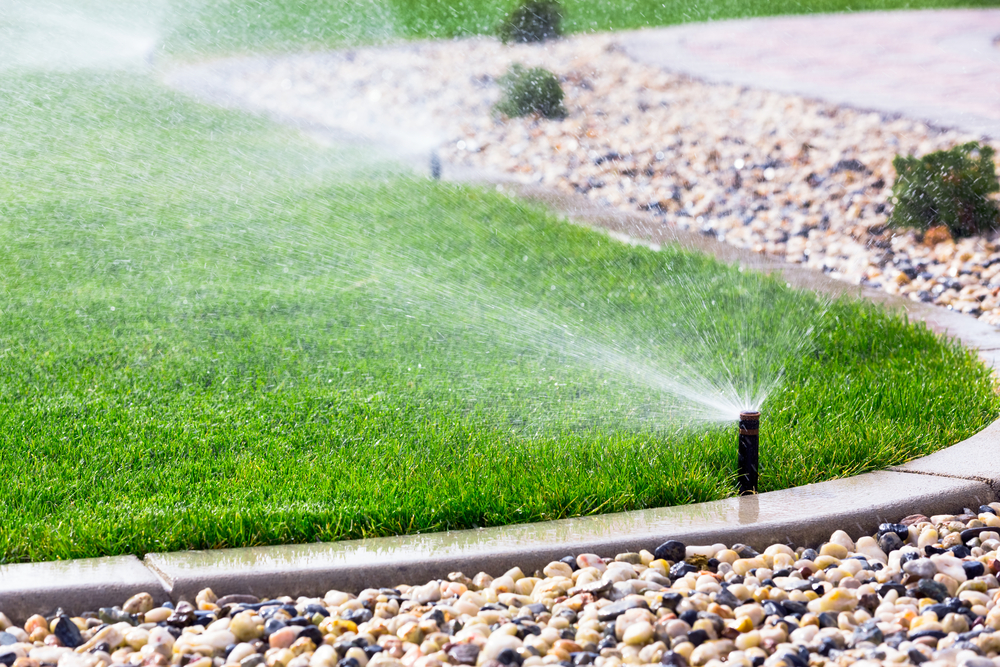
If using a hose and sprinkler, soak each area for 1 hour, once or twice a week.
Protecting your lawn from grubs and insects is crucial during the summer months. Here’s how to prevent grubs from damaging or destroying your lawn.
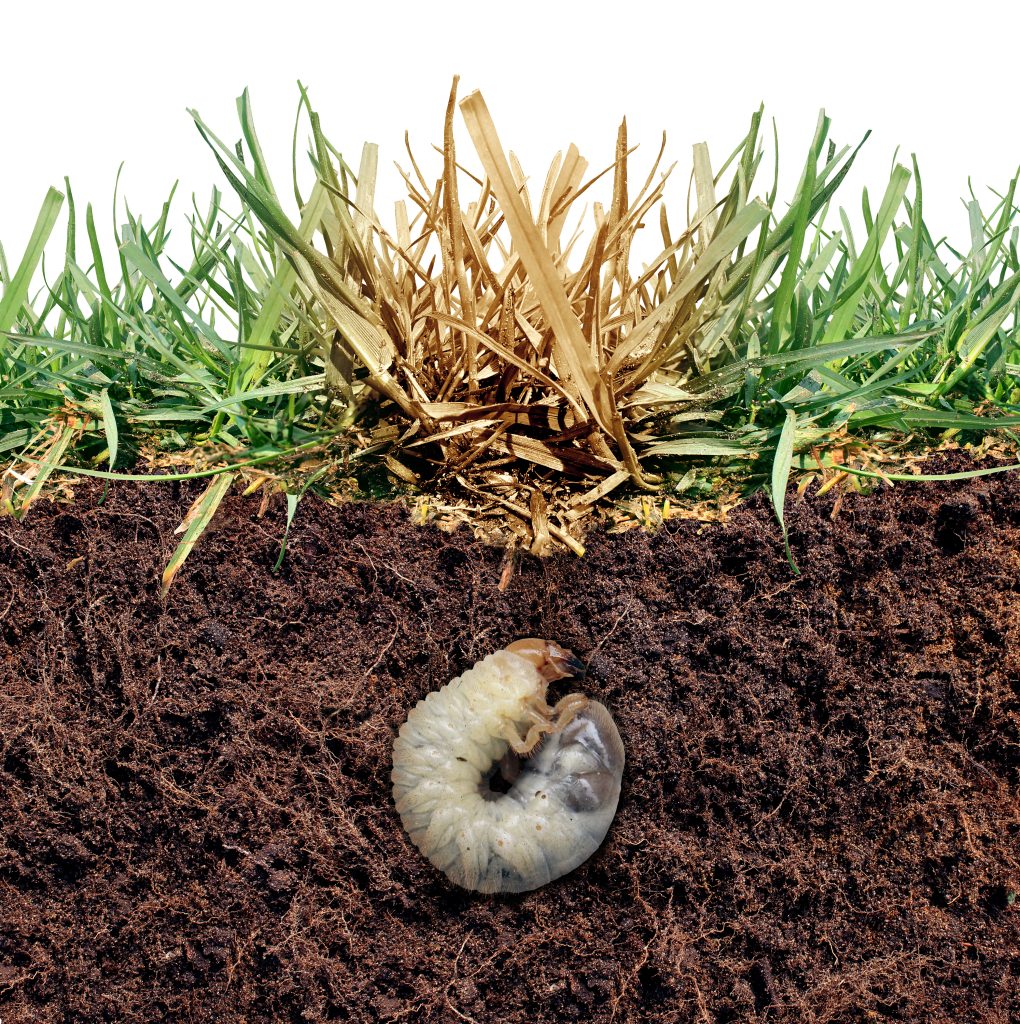
If you didn’t apply a preventative:
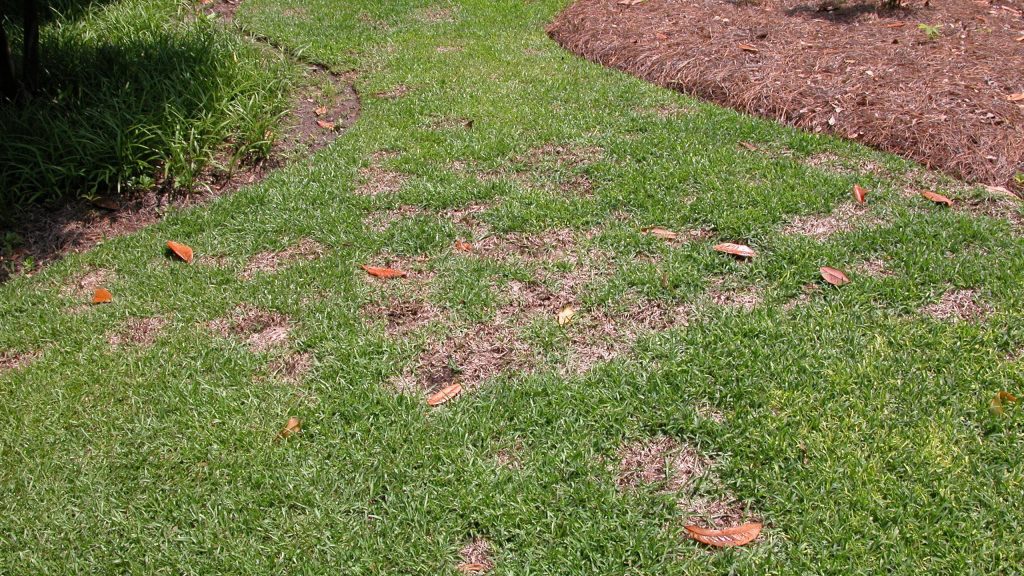
Summer is the peak season for lawn diseases like dollar spot, brown patch, leaf spot, and many more.
Early fall is the best time to overseed and renovate lawns.

Fall aeration and overseeding:
Strong summer lawn care comes down to mowing at a high height, watering deeply, and staying ahead of pests and diseases. By following our proven and tested summer lawn care tips, you can keep your turf greener, healthier, and more resilient through the hottest months. Prepare now for fall seeding, and check out the best lawn care supplies and resources here at TheLandscapeConnection.com.
Search, explore, and find Power Equipment Dealers, Irrigation & Lighting Supplies, Fertilizer, Chemical & Organic Products, and Grass Seed Supplies at 👉 TheLandscapeConnection.com
We’d love to hear from you! Have a question? Get an answer from an industry pro.
Share your tips, tricks, or ask questions in the comments below!

Bryan is a lawn and landscape industry veteran pro with 40+ years of experience. During this time, he built expertise and certifications in arbor care, deer repellents, drainage systems, fencing, firewood, hardscaping, landscape design, construction, installation, landscape lighting, lawn care, lawn installation, renovations, repairs, lawn mowing, landscape maintenance, irrigation, masonry, mosquito, tick control, PHC, snow removal, and more... He is the creator of The Landscape Connection and can be reached at bryan@thelandscapeconnection.com.
Once a week, if you’re a lawn maintenance pro, mowing Monday through Friday, and once or twice a year, if you’re a DIY pro.
Pre-emergents will not work in the summer, so you will need to find a post-emergent control product like Dylox
Disease Control, just like weed control, needs to be applied when the lawn is growing actively and not under summer heat and drought stress. It’s best applied when the lawn is fairly short. Liquid treatments work best; granular treatments are a bit trickier, since they need to be watered in but not washed away. A light watering the following morning after treatment is best.
Disease ID is always recommended. Most products do not cover every disease, so identify the lawn disease that you’re dealing with, then read the label to confirm that what you’re buying will work. If you cannot identify the disease, find the best product that covers the broadest spectrum of diseases. Broad-spectrum disease-control products are more expensive and still do not address every problem.
Disease Control will help stop the spread of the disease and prevent further damage, but it will not green up the dead spots that are already damaged.
Mow your lawn at 3.0–3.5 inches during the summer. Taller grass develops deeper roots, protects the soil from heat, and helps your lawn stay greener with less stress.
The best time is early fall, when the soil is warm, but temperatures are cooler. This helps new seed germinate quickly and strengthens the existing turf. Avoid seeding in the spring, as you will be unable to apply any weed control products for about 3 months after the seed is installed, so you will typically end up with a mix of weeds and grass. Also, if you have a hot, dry summer, the new spring seed has not developed a deep root system; therefore, it will decline.
A typical overseeding rate is 5 lbs. of grass seed per 1,000 sq. ft. for existing lawns.
Stay off the grass and skip mowing the week after the seed was put down. Keep the soil consistently moist with daily watering until seeds sprout. Then gradually reduce watering frequency and apply a starter fertilizer to support strong root growth.

Add a Comment
Your Email Address Will Not Be Published.