 B.Monty
 0 Comment
 03 Oct 2025
Blowout or Break!
When freezing temperatures hit, hidden water inside sprinkler systems will slowly expand, crack pipes, and destroy fittings. A professional sprinkler system blowout prevents thousands in repairs — and ensures your irrigation system wakes up ready for spring.
What You’ll Learn
- Top Reasons to Blow Out Your Sprinkler System Before Winter
- What Happens When Sprinklers Freeze
- Benefits of Winterization
- When to Schedule a Sprinkler System Blowout
- How a Professional Sprinkler System Blowout Works
- DIY vs Professional Blowouts
- Common Winterization Mistakes
- How to Restart in Spring
- Protect Your Irrigation System
- FAQ
Top Reasons to Blow Out Your Sprinkler System Before Winter
1. Prevent Costly Freeze Damage
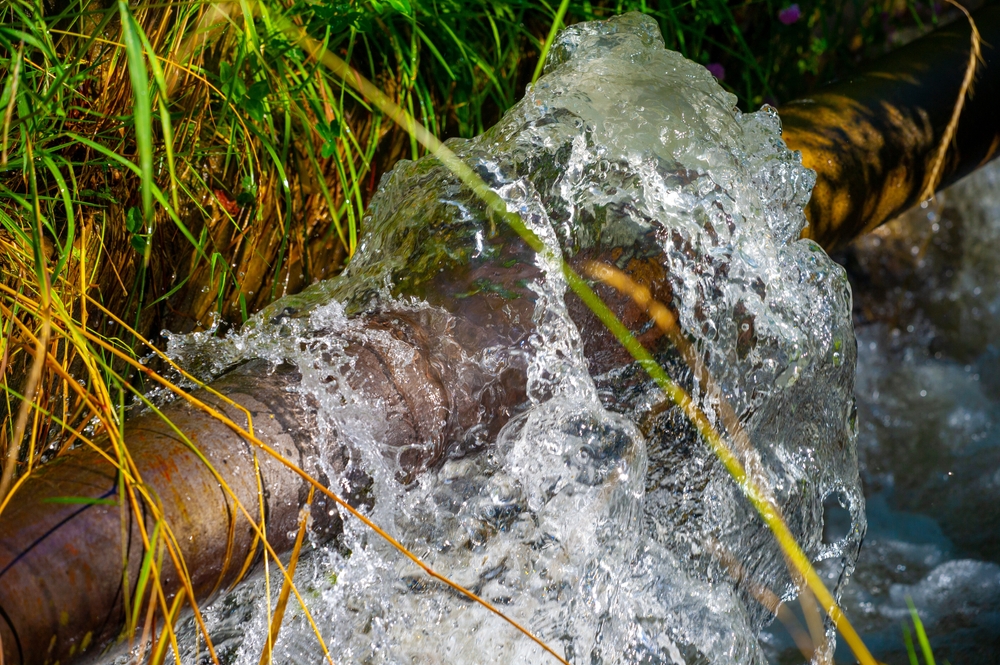
Frozen water expands with unstoppable force. Even a few ounces left behind can burst PVC, poly, or even copper pipes. Trapped water inside valves and sprinkler heads will freeze, expand, and break the parts. That’s why a sprinkler system blowout is a no-brainer for winter protection.
2. Extend the Life of Your Irrigation System
Your lawn sprinkler system is an investment worth protecting. Annual blowouts prevent internal stress, corrosion, and costly spring replacements.
- Protects pipes, valves, and fittings
- Prevents backflow assembly failure
- Reduces corrosion inside components
- Maintains system pressure and coverage
- Saves time and money over time
3. Save Time & Avoid Spring Surprise Repairs
Skipping winterization means spending spring fixing leaks and paying unneeded bills instead of enjoying your lawn.
- Avoid emergency repairs
- Prevent uneven watering
- Start your system faster
- Gain peace of mind all winter
What Happens When Sprinklers Freeze
| Steps | Discription |
|---|---|
| Residual Water in Lines | Trapped water remains after irrigation shuts off. |
| Freezing Temperatures | Cold nights turn that remaining water into solid ice. |
| Expansion of Ice | Ice expands, building pressure inside the pipes. |
| Cracked Pipes & Fittings | Pressure bursts pipe walls and damages joints. |
| Springtime Repairs & Water Waste | Leaks and needed repairs appear when the system thaws. |
Benefits of Winterization
- Prevents freeze damage
- Avoids costly sprinkler system repairs
- Extends irrigation lifespan
- Maintains water pressure and efficiency
- Saves water and money
- Provides peace of mind all winter
When to Schedule a Sprinkler System Blowout
Schedule your sprinkler system blowout in early fall—before the first hard freeze, usually between October and early November. Timing varies by region, so keep an eye on nighttime lows and local forecasts. Once overnight temperatures start dipping below freezing on a regular basis, it’s time to book your blowout immediately. Better yet, book early and stress less.

| Region | Ideal Blowout Time | Average First Freeze |
|---|---|---|
| Northeast | Mid October | Late October |
| Midwest | Early–Mid October | Late October |
| Mountain States | Late September–Early October | Mid October |
| Pacific Northwest | Mid October | Early November |
| South | Late November (if needed) | December |
How a Professional Sprinkler System Blowout Works
- Shut down the controller and close the main valve
- Attach an industrial compressor to the blowout port
- Purge each zone until only air exits the heads
- Monitor pressure to prevent pipe damage
- Drain backflow preventer
- Inspect the system for weak fittings or leaks

DIY vs Professional Sprinkler System Blowouts
| DIY | Professional |
|---|---|
| May leave trapped water | Complete water evacuation |
| Risk of overpressure | Calibrated safe PSI |
| No inspection | System health check included |
| Small upfront savings | Long-term savings |
| Requires renting equipment, time, and risk | Hassle-free, guaranteed service |
Common Winterization Mistakes to Avoid
- Too much compressor pressure
- Forgetting to drain the backflow preventer
- Missing zones during blowout
- Winterizing too early or too late
- Skipping inspection before shutdown
How to Restart Your Sprinkler System in Spring
- Inspect lines, valves, and fittings
- Slowly open the main valve
- Test each zone for clogs or leaks and make sure each zone is covering the area it should. Adjust any of the sprinkler heads as needed.
- Then set the day and time schedule. This is NOT a set-it-and-forget-it deal. Start with minimum watering, then increase the watering amount as the summer heat increases. Take the time to customize watering time zones as needed. Full sun areas will need longer watering times than shady areas.
- Use rain sensors to avoid overwatering.
Protect Your Irrigation System Before It Freezes
Freezing temperatures wait for no one. Schedule your sprinkler system blowout before the frost hits — safeguard your investment and enjoy stress-free spring irrigation.
Search, explore, and find Irrigation & Lighting Supply or Lawn Sprinkler System Contractors near you here at The Landscape Connection!
We’d love to hear from you! Have a question? Get an answer from an industry pro.
Share your tips, tricks, or ask questions in the comments below!
Frequently Asked Questions
How much does it cost?
The cost is usually determined by the number of zones in the sprinkler system. The average cost to blow out a lawn irrigation system ranges from $75 to $250, depending mainly on the number of zones in the system. Rates will also vary based on location.
How long does it take? How long does each zone take to blow out?
A professional blowout for an average residential system usually takes about 30 minutes, but this can vary depending on the system’s complexity. Each zone only takes a few minutes to blow out.
What PSI should I use?
Use 50-60 PSI but never exceed 80 PSI to avoid damaging pipes, heads, and valves. The pros have a pressure-regulating valve on their air compressor to ensure the PSI doesn’t go above the recommended level.
Do I need a blowout every year?
Yes! Even mild winters can cause cracks and leaks.
Can I skip winterization if my pipes are deep
No, the sprinkler heads, valves, fittings, and backflow preventors are not deep, so they will freeze and break!

Author: B.Monty
Bryan is a lawn and landscape industry veteran pro with 40+ years of experience. During this time, he built expertise and certifications in arbor care, deer repellents, drainage systems, fencing, firewood, hardscaping, landscape design, construction, installation, landscape lighting, lawn care, lawn installation, renovations, repairs, lawn mowing, landscape maintenance, irrigation, masonry, mosquito, tick control, PHC, snow removal, marketing, employee training, and more... He is the creator of The Landscape Connection and can be reached at bryan@thelandscapeconnection.com.
FAQ
The cost is usually determined by the number of zones in the sprinkler system. The average cost to blow out a lawn irrigation system ranges from $75 to $250, depending mainly on the number of zones in the system. Rates will also vary based on location.
A professional blowout for an average residential system usually takes about 30 minutes, but this can vary depending on the system’s complexity. Each zone only takes a few minutes to blow out.
Use 50-60 PSI but never exceed 80 PSI to avoid damaging pipes, heads, and valves. The pros have a pressure-regulating valve on their air compressor to ensure the PSI doesn’t go above the recommended level.
Yes! Even mild winters can cause cracks and leaks.
No, the sprinkler heads, valves, fittings, and backflow preventors are not deep, so they will freeze and break!
Add a Comment
Your Email Address Will Not Be Published.